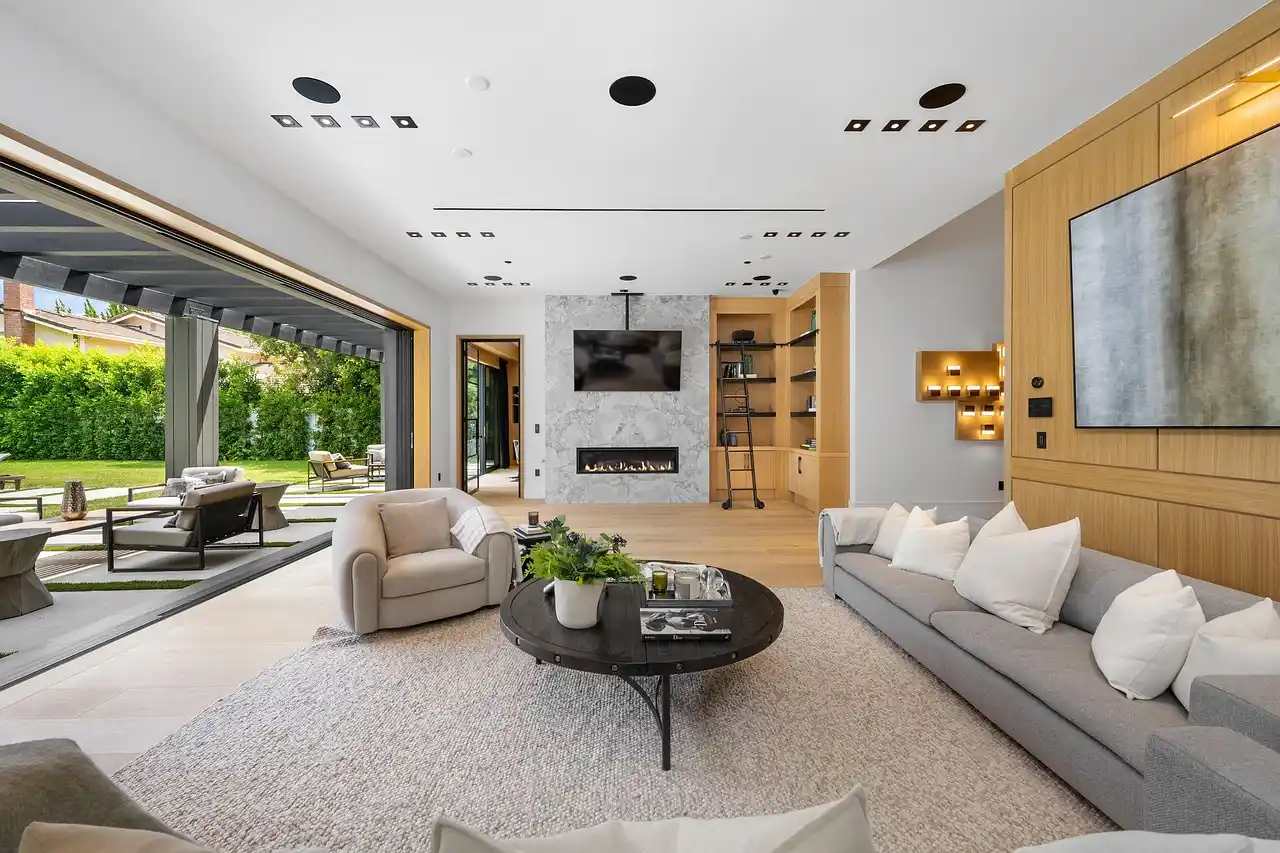
Home window tinting is much more than a cosmetic upgrade. It’s a practical solution that enhances comfort, energy efficiency, and protection for every room in your house. This guide explains what home window tinting is, how it works, and how to choose the right film and installer to meet your goals and budget.
Understanding the Benefits
Energy efficiency and comfort. Solar heat enters through glass, making rooms colder in winter and hotter in summer. Tint films reduce heat gain, helping your cooling system run less and maintain a consistent indoor temperature. The result can be lower utility bills and a more comfortable living environment year-round.
UV Protection and Interior Preservation
Most quality window films block up to 99% of ultraviolet (UV) rays. Prolonged UV exposure can fade furniture, flooring, and artwork. By cutting UV transmission, tinting protects interior finishes while preserving color and value over time.
Privacy and Aesthetics
Tinted windows provide daytime privacy without sacrificing outward visibility from the inside. A uniform tint also creates a cohesive exterior look that complements modern architectural styles.
Safety and Security
Some films hold shattered glass together if a window is struck or broken, reducing the risk of injury and giving you time to respond during storms or break-ins. This safety feature is especially valuable for ground-floor rooms and homes with children or valuable equipment near windows.
Types of Home Window Tint Films
Residential window films vary in composition, performance, and price. The best choice depends on climate, home orientation, and your priorities—whether that’s maximum heat rejection, optical clarity, or budget.
| Film Type | UV Rejection | Heat Rejection | VLT (Visible Light Transmission) | Durability | Typical Use |
|---|---|---|---|---|---|
| Dyed Film | Good | Moderate | Low–Medium | Moderate | Affordable privacy and color |
| Metalized Film | Very Good | Excellent | Low | High | Effective heat control; may interfere with electronics |
| Ceramic Film | Excellent | Excellent | High | Very High | Best overall performance and clarity |
| Carbon Film | Excellent | Excellent | Medium | Very High | Keeps spaces cooler without metal crowding |
| Composite Film | Very Good | Good | Medium | High | Balanced performance and price |
DIY vs Professional Installation
DIY tint kits can be tempting for small projects, but professional installation offers consistent results, warranty coverage, and a finished look across all panes. Trained technicians assess sun exposure, frame integrity, and edge seals to maximize film performance. They also ensure proper adhesive cure and avoid air gaps that can compromise clarity.
Costs, ROI, and Maintenance
Prices vary by film type, window size, number of panes, and labor. Typical installed costs range from $8 to $15 per square foot, with premium ceramic or carbon films commanding higher prices but delivering stronger energy savings. Depending on climate and home design, annual cooling savings can range from 5% to 15%. Maintenance is straightforward: clean with a soft cloth and a non-ammonia cleaner; avoid abrasive tools that could scratch the film.
Choosing a Provider: Expertise and Trust
Look for installers with certifications from reputable organizations such as the International Window Film Association (IWFA) and solid warranty terms. Request before/after photos, references, and a detailed written estimate that lists film specifications (UV, IR rejection, visible light, and warranty). Verify that the installer adheres to local regulations and can design a solution tailored to your home’s orientation and existing glass.
Legal Considerations and Quality Assurance
Residential tint regulations typically address exterior reflectivity and driver visibility from the street. While most home tinting is permitted, a professional installer can ensure your film complies with local rules and does not void glass warranties. They can also help you select a product that balances privacy with natural daylight.
Maintenance and Longevity
Most residential films are protected by warranties spanning 5–15 years against issues like bubbling, peeling, or yellowing. Regular cleaning with non-ammonia products preserves clarity and extends life. If edge lifting or delamination occurs, contact your installer promptly for warranty assessment or replacement options.
Conclusion, home window tinting offers energy savings, UV protection, privacy, and safety. A careful choice of film, professional installation, and consistent maintenance will maximize comfort, curb appeal, and return on investment while ensuring regulatory compliance and long-lasting performance.