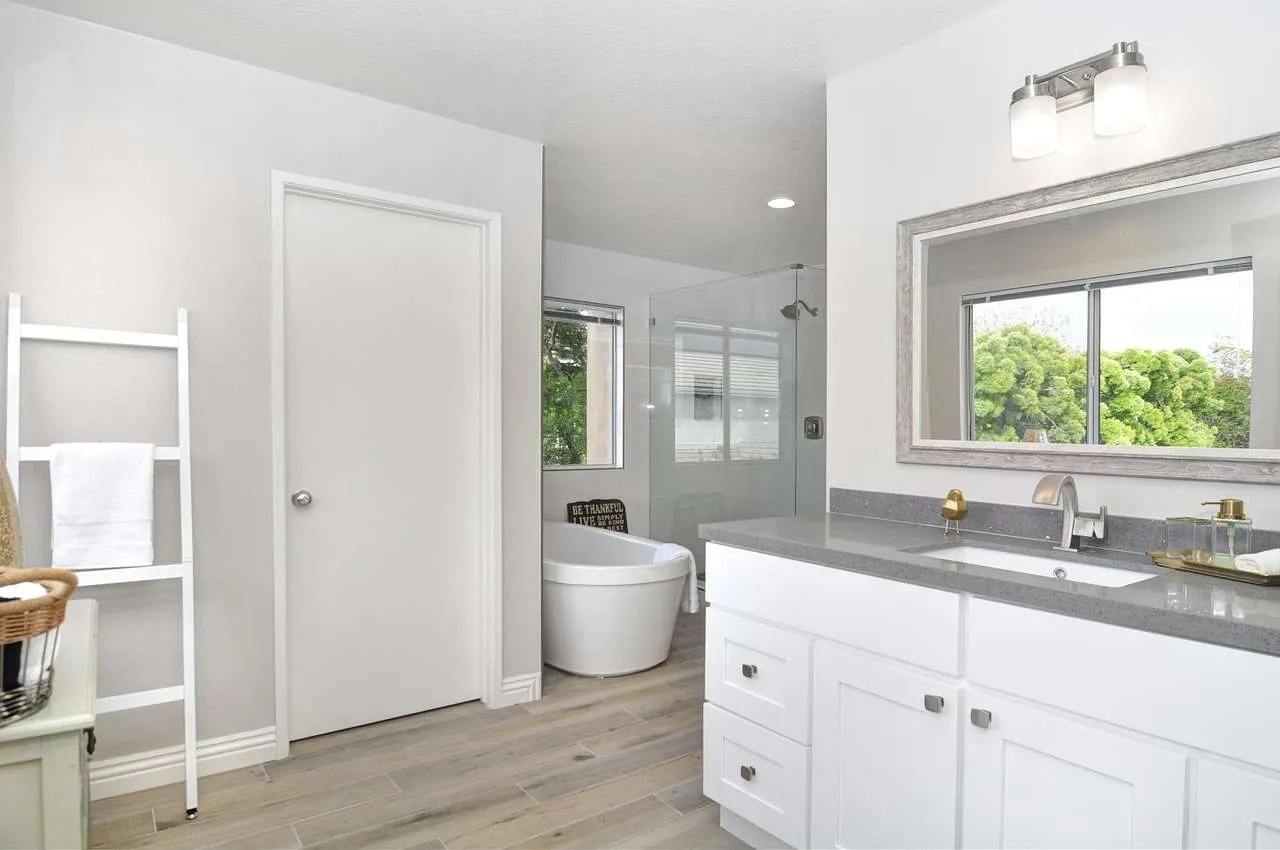
In small bathrooms, every inch counts. The right ideas can make the space feel larger, more functional, and easier to maintain. This guide covers practical small bathroom ideas for layout, storage, finishes, and fixtures that deliver big impact without big budgets. As an experienced bathroom designer with a decade of project work, I share evidence-based tips that consistently deliver results.
Smart Layout and Planning
Start with a solid layout. If possible, choose a door that doesn't swing into the room; consider a pocket door to reclaim floor space. Place the toilet and vanity to create a clear traffic pattern with at least 24 inches of clearance in front of each fixture. A glass shower enclosure instead of a solid wall visually expands the room and reduces visual clutter.
Door Choices and Traffic Flow
Choosing a pocket or sliding door helps keep traffic paths open. If a pocket door isn't possible, ensure the door swing does not interfere with the vanity or toilet and allows at least 24 inches of forward clearance for comfortable use.
Vertical Space and Storage
Utilize vertical walls for storage: tall slim cabinets, corner shelves, and recessed niches in the shower. Install a wall-mounted vanity with open space underneath to create the feeling of airiness. Use a mirrored medicine cabinet to combine reflection with storage, and add towel hooks high on the wall to free floor space. Over-the-toilet storage can add essential depth without crowding existing fixtures.
Finishes, Colors, and Lighting
Light colors reflect more light; pick off-white, soft gray, or pale blue with a glossy or semi-gloss finish. Choose large-format tiles with minimal grout lines to reduce visual breaks. Install layered lighting: recessed ceiling lights for general illumination, plus vanity lighting for tasks. Consider a linear LED strip above the mirror to add depth and brightness. A small dimmer on the main light helps adjust mood and perceived space.
Fixtures and Fittings
Opt for a compact or wall-hung vanity with integrated sink to free floor space. A rounded edge on the vanity lowers risk of bumps. Select a wall-hung toilet or a compact two-piece model to create sightlines and make cleaning easier. For showers, a corner or shower stall with a clear glass door makes the space feel larger than a tub. Add built-in niches or shelves in the shower for essentials to stay organized.
Materials and Maintenance
Choose durable, easy-care materials: porcelain tile, quartz countertops, and enamel-painted cabinetry. Use groutless or grout-light tile systems where possible to reduce maintenance. In damp areas, ensure good ventilation to prevent mold and moisture damage. Select wipe-clean surfaces and corrosion-resistant hardware to extend life in humid climates.
Comparison Table: Popular Small Bath Ideas
| Idea | Pros | Cons | Best For |
|---|---|---|---|
| Walk-in shower with frameless glass | Feels spacious, easy to clean, no threshold | Higher cost, requires precise installation | Small bathrooms wanting a open feel |
| Corner shower stall | Efficient use of corner space, affordable | Limited movement in some layouts | Budget renovations |
| Compact wall-hung vanity | Free floor space, easy cleaning | Limited counter space | Small footprints |
| Wall-hung toilet with niches | Cleaner sightlines, storage behind vanity | Requires solid plumbing backing | Highly compact baths |
Attention to detail matters. Use consistent edge profiles, matching metal finishes, and coordinated hardware to create a cohesive, uncluttered look.
Summary: Small bathroom ideas center on layout optimization, vertical storage, light-reflective finishes, and compact fixtures. By planning traffic flow, choosing wall-mounted elements, and using glass enclosures, you can transform a compact bath into a functional, stylish space that feels larger than its actual footprint.